A History Built on the Water
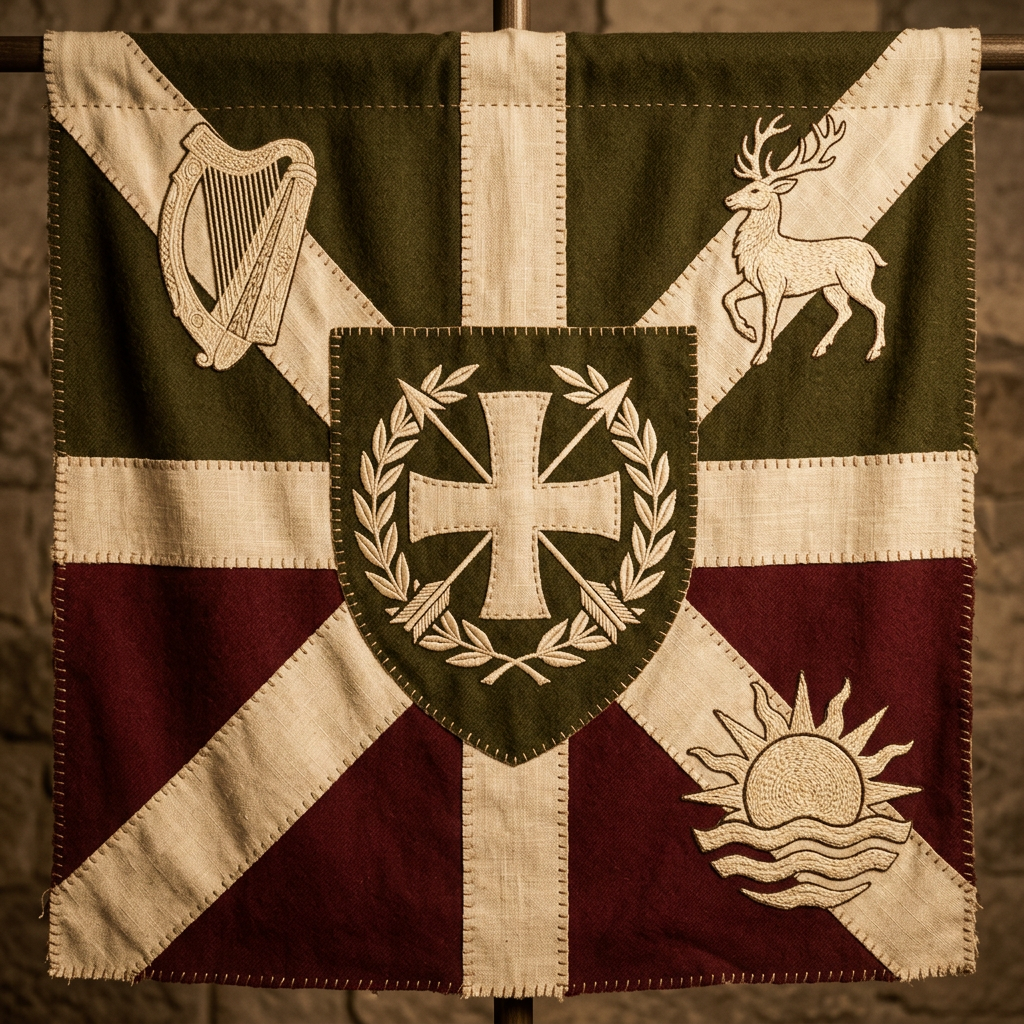
Albion is an island kingdom, or rather a congeries of islands and a long peninsula situated at the northwestern edge of the continental world, separated from the nearest major landmass by a stretch of channel water whose storms have historically served it better than any fleet. The channel is not wide. It has, on several occasions, been nearly crossed by powers that believed Albion could be reduced by a determined crossing. Those powers have not made that error twice. The kingdom's expansion into the wider world followed the logic of the crown rather than the counting house. Where Stroomdijk sends a company, Albion sends a flag. Where Stroomdijk issues a charter, Albion issues a commission. The colonial establishment at New Avalon is administered in the crown's name, by officials who answer to the crown, under laws that derive from the crown's authority. This is not merely symbolic. It means that Albion's colonial project is coherent in a way that company-governed territories are not: the governor of New Avalon knows who he serves, what he is authorized to do, and what the crown expects of him. The crown, for its part, knows what it has. This approach has made Albion, over the course of the last century and a half, the second most consequential power in Mar de Oro, and by some measures the first. Its territorial footprint is smaller than Valdegracia's. Its information network is not. The agents that Albion stations in colonial ports, the captains its ships carry who double as intelligence officers, the commercial factors whose accounts conceal regular reports to a quiet office in the capital, these constitute a map of the world that no other power has attempted to draw with the same systematic rigor. It is not complete. It is the most complete.