Skip to content
Mar de Oro
Nations of Aeon

A Power of Aeon

Stroomdijk

The Chartered Kingdom. The Empire of Ledgers. The State That Understood What Sovereignty Really Costs.

Stroomdijk is a parliamentary monarchy reborn from commercial revolt, whose real power lives in the Wisselbank, the great chartered companies, and a Directorate so deliberately unreadable that no foreign ambassador can predict its next move.

Governance & Culture

At a glance

Political Order
Parliamentary monarchy in which Parliament holds full power on the continent. The King, however, exercises considerable autonomy in the colonies, often governing them with a free hand.
Religion
Also follows the Luminary Fellowship, with a strong emphasis on trade ethics and community service.
Capital

Havenwijk

Situated on a strategic coastal location, Havenwijk is known for its vibrant marketplaces and extensive docks. It is a hub of commerce and maritime activity, reflecting Stroomdijk's strong naval tradition and its parliamentary governance centered in the city's Parliament Hall.
Language

Stroomish

Stroomish is the language of the people of Stroomdijk. It carries a strong maritime vocabulary reflecting the nation's seafaring culture, and is used in trade, governance, and daily life.

The Commercial Machinery

Stroomdijk's wealth is not based on territory. It is based on position. Stroomdijk sits at the intersection of several major sea lanes, possesses the finest natural harbor on the continent's northern coast, and has developed, over a century and a half of deliberate institutional cultivation, a financial architecture that the rest of the world depends on whether it wishes to or not. The Wisselbank, the Exchange Bank of Stroomdijk, is the single most important financial institution in the known world. It processes letters of credit, manages currency exchange, underwrites commercial insurance, and provides the clearing services through which a significant fraction of inter-state commerce is settled. The interest rates it sets are not merely Stroomdijk's interest rates; they are effectively the world's baseline cost of capital. When the Wisselbank changes its lending terms, merchants in Valdegracian colonial ports feel it three months later in the price of credit. This is not an accident of geography. It was built to work this way. Alongside the Wisselbank, the great trading companies, the Generale Compagnie, the Oost-Marinen Consortium, and the Saffraanhandel, operate as semi-sovereign entities with their own legal systems, their own armed vessels, their own treaties with non-aligned polities, and their own territories, which are not Stroomdijker colonies in any formal sense but are governed by Stroomdijker commercial law under company charters granted by the Directorate. The distinction between a company territory and a colony is, in practice, a distinction of paperwork. The crown authorizes; the company executes; the parliament in the Directorate debates the returns. What happens in the company territories, the labor conditions, the extraction quotas, the enforcement mechanisms, is formally a company matter and not a crown matter, and the distance between those two categories is where a great deal of the kingdom's wealth quietly lives. The parliamentary committees that review company accounts are staffed by men who hold shares in the companies they review. This is not considered a conflict of interest. It is considered experience.
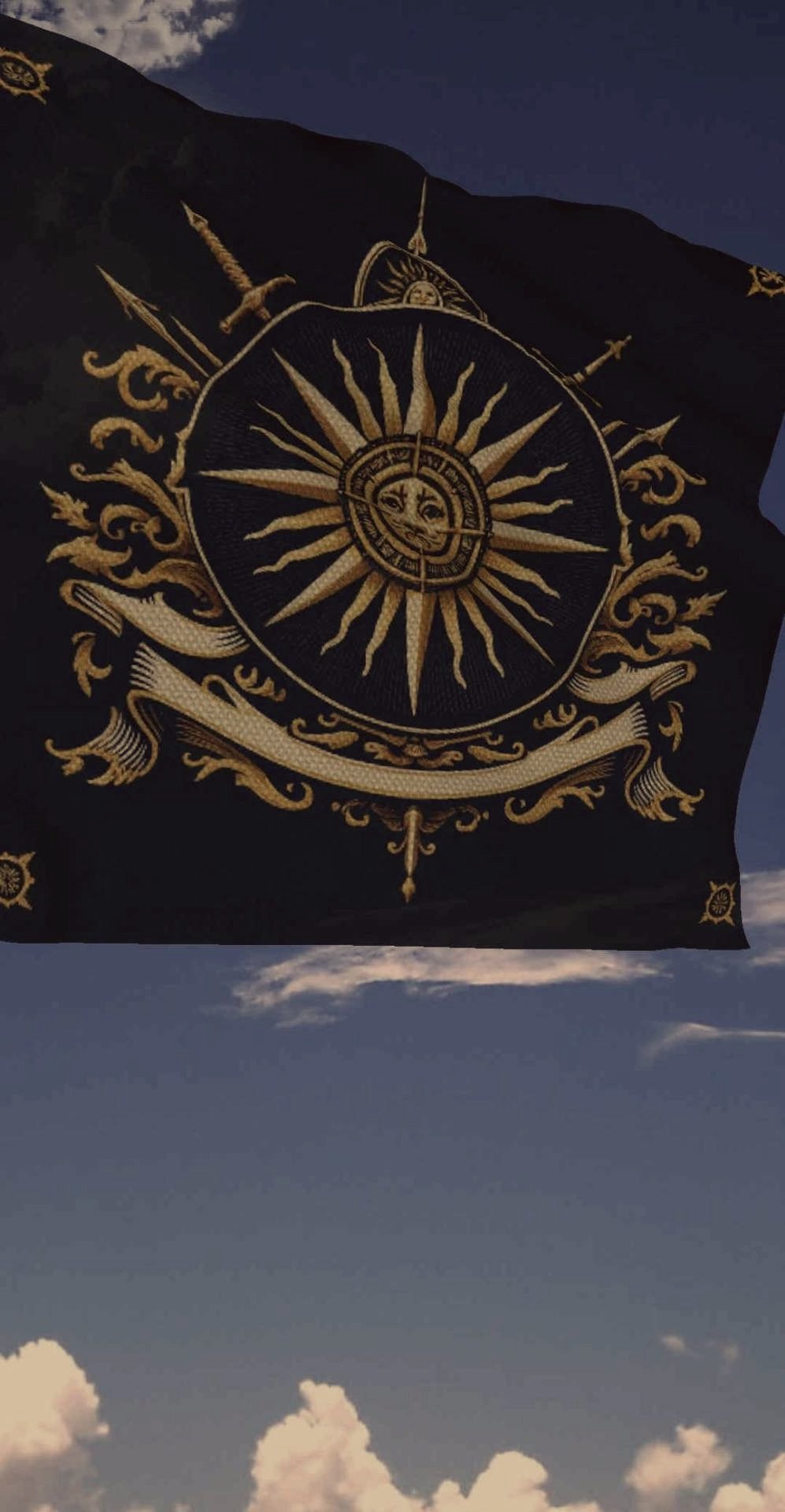
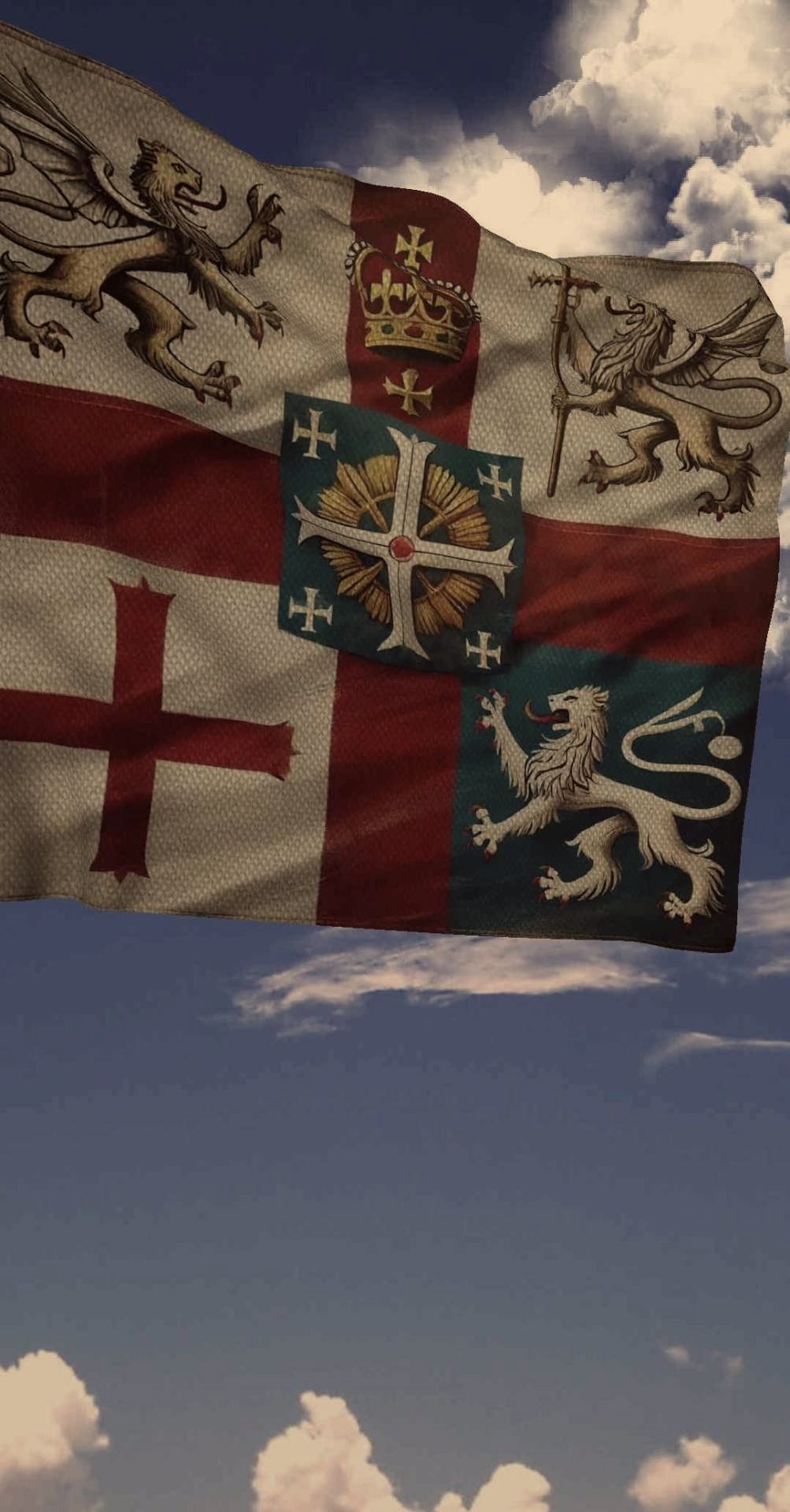
The Gray Practices

Stroomdijk's public face is one of commercial reliability and contractual integrity. These qualities are real. They are also, occasionally, a cover for practices that the Republic finds more convenient not to examine in direct light. The carrying trade that Stroomdijk operates between other nations' colonial ports does not always inquire too closely into the ultimate provenance of its cargo. The financial instruments that its banks extend to smaller powers are offered on terms that are scrupulously documented and legally unassailable, and which, in a sufficiently prolonged period of commercial difficulty, can leave the borrowing state's most productive economic assets effectively under Stroomdijker management. The labor systems that operate in the company territories are described, in company charters, as contracted service arrangements; the workers who operate under them describe them differently, when they are in a position to describe them at all. Stroomdijk does not need to use violence as often as other powers. This is partly because it is genuinely humane by the standards of its age. It is partly because commercial dependency is more durable than military occupation, and does not require the expense of a garrison.

Stroomdijk in Mar de Oro

Stroomdijk's presence in Mar de Oro is omnipresent in the way that weather is omnipresent, not dramatic, just there. There is a Stroomdijker factor in almost every harbor large enough to matter. There is a Stroomdijker letter of credit available, for a price, for almost any commercial transaction. The company vessels that move through the Golden Sea carry the Generale Compagnie's red-and-gold cipher on their flags, and those flags are recognized as worth respecting, not because Stroomdijk has more warships in the vicinity than the other powers, though it sometimes does, but because attacking a Stroomdijker commercial vessel means attacking a company that has instruments of credit lodged in every major bank in the world, including the banks of the attacking nation. This is the Stroomdijker genius: the conversion of commercial exposure into diplomatic immunity. By making itself indispensable to the global financial architecture, the Republic has made aggression against its interests impractical for anyone who wants to continue participating in that architecture. This, too, was built deliberately.

What a Stroomdijker Carries

The character formed in Stroomdijker culture carries a particular relationship to value, an instinct for assessment, for the real cost of things, for the gap between what something is officially worth and what it actually produces. They are comfortable with contracts and suspicious of handshakes; they find the Valdegracian love of ceremonial forms faintly inefficient and the Hellerite pride in demonstrated struggle somewhat unnecessary. They have a facility with languages, as the carrying trade requires, and a social adaptability that is sometimes mistaken for rootlessness but is more accurately described as the practical flexibility of a culture that has always needed to do business with people who are not like it. They carry, too, a particular kind of conscience, not the theological conscience of the Valdegracian tradition, but a commercial conscience, a sense of what a fair dealing looks like, and a discomfort (usually private) with the ways in which their nation's commercial practices do not always meet that standard. Not every Stroomdijker character is comfortable with what the Generale Compagnie actually does in its territories. Not every Stroomdijker factor is at peace with the terms their bank extends to clients who cannot refuse. The Republic's self-image and its conduct are not always the same thing, and a thoughtful Stroomdijker knows it.

A concrete detail

One concrete detail: the factor houses in Stroomdijk's major commercial cities maintain a practice called the avondrekening, the evening reckoning, in which all the day's transactions are reviewed before close of business, every contract confirmed, every discrepancy noted. The practice is said to derive from the early days of the Republic, when a trading house's survival depended on never sleeping with an unresolved account. In the great houses, it is still done in person, with the senior factor present, and it is not considered complete until every number has been spoken aloud and confirmed. There is something almost liturgical about it. The Stroomdijkers, if you pointed this out, would be briefly amused and then change the subject.