Skip to content
Mar de Oro
Nations of Aeon

A Power of Aeon

The Duchy of Heller

The Newest Thing. The Three Founders. The Colony That Decided What It Was Before Anyone Told It.

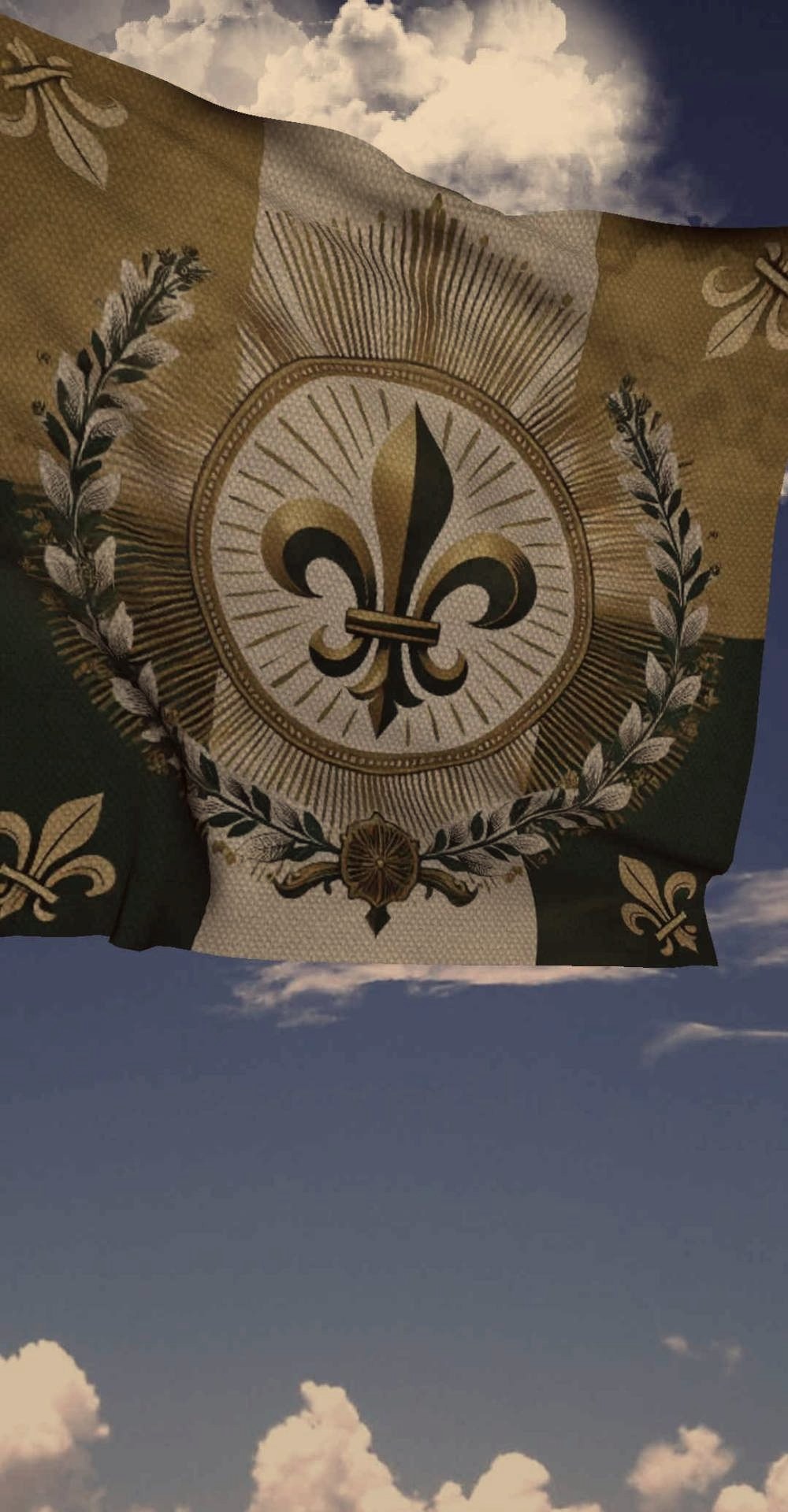
The Duchy of Heller is the autonomous Valdegracian colonial territory, governed by Dux Hernanus Costesius de Heller and Dux Franciscus Perezzi. Its flag carries two gold dragons and the silver dragon of the presumed-dead Generalis Costilas. The Duchy owes Valdegracia military allegiance in time of war. In all other matters, it governs itself.

The Character of the Duchy

The Duchy of Heller is not old. Its formal autonomy within Valdegracian dominion was acknowledged less than a year ago. Its founding as a settled community is barely twenty years past. By every conventional measure of statecraft, it should not yet be a thing with a character. And yet it has one, formed not over centuries of institutional accumulation but under the specific pressures of the New World: the pressure of distance from metropolitan authority, the pressure of necessity, the pressure of three men whose decisions in the early years of the colony shaped everything that came after. The Duchy is Solarian in faith. Its founders carried the faith across the sea with them, and it remains the official and genuinely practiced confession of the community. But the Duchy is also young and practical enough to understand that a colony in the New World cannot afford the luxury of confessional purity. Fellowship sailors, Oraclean merchants, the faithfully uncommitted: all are present in Hellerite harbors, and none are turned away. The Duchy does not advertise this. It simply does not expend the administrative energy required to prevent it. What the Duchy does advertise, through the conduct of its institutions and the reputation of its people, is that it is a community built on demonstrated loyalty, practical capability, and the specific kind of solidarity that forms among people who crossed an ocean without guarantees and made something work anyway.
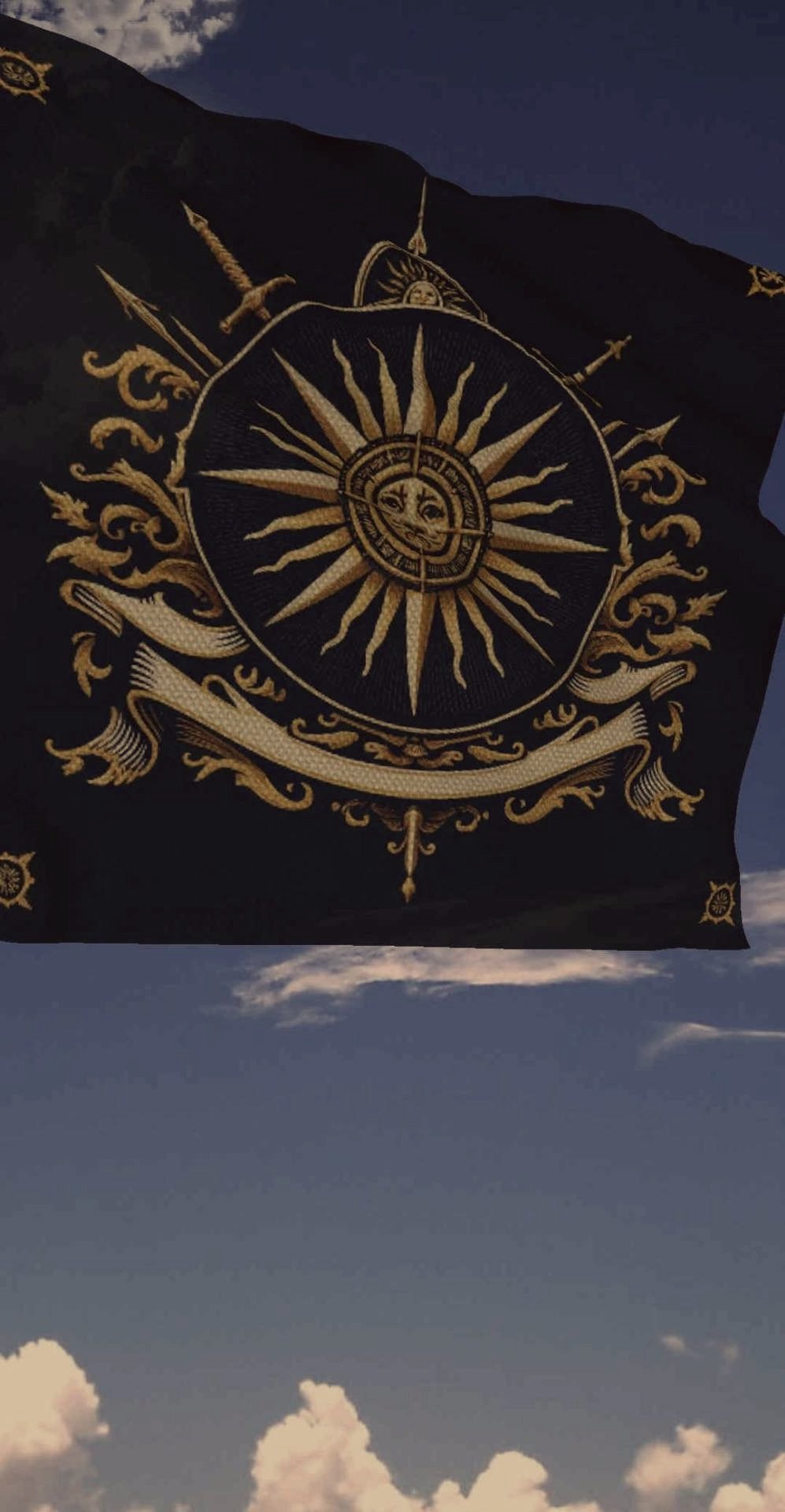
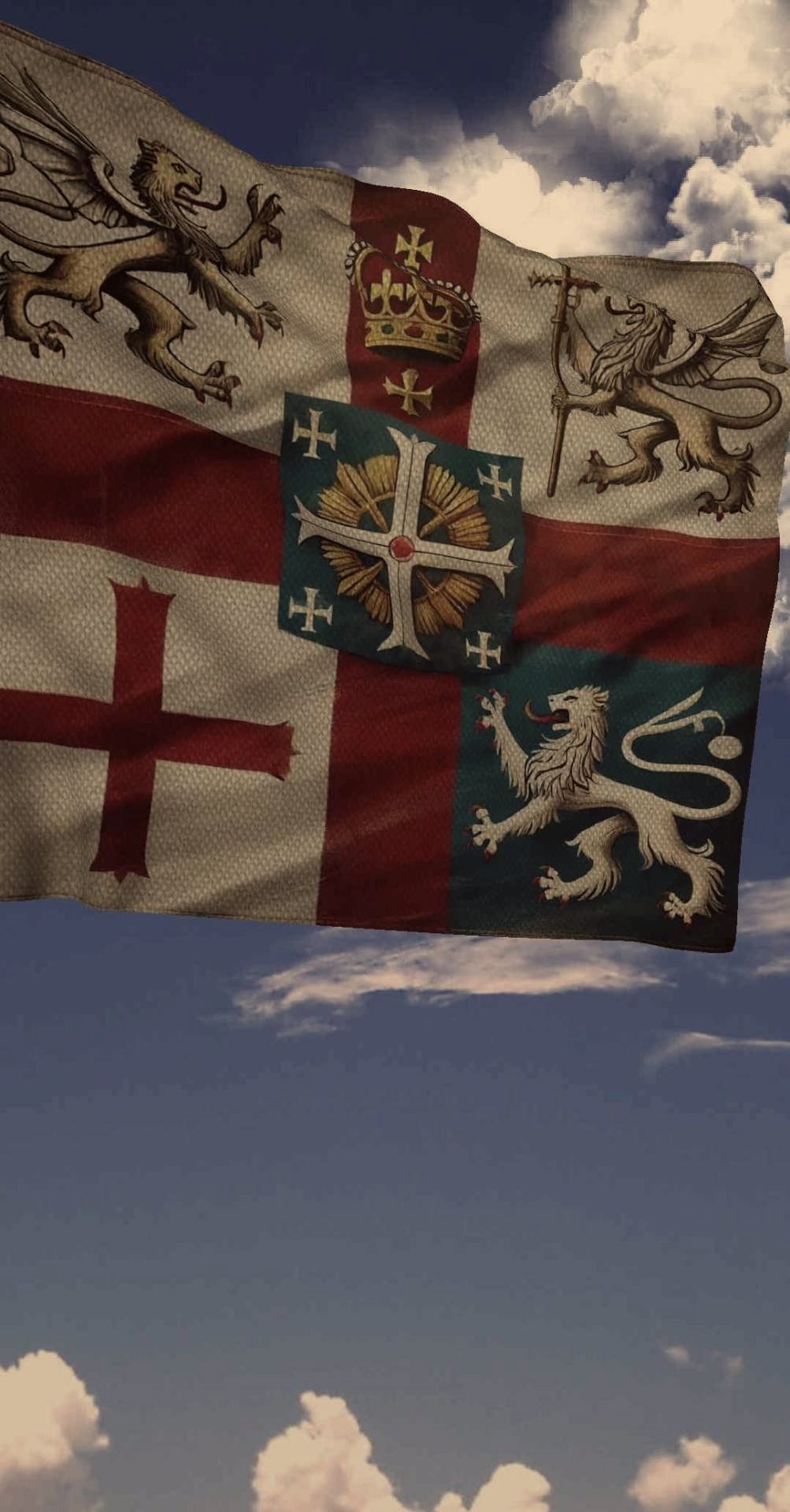
The Three Founders

Three men stand at the origin of the Duchy, and their presence continues to shape it. Generalis Melenko Costilas was the military mind of the founding Compañero expeditions. He planned the early settlements, organized their defense, negotiated with other powers from a position of strength he created from materials that should not have been sufficient, and built the military culture that the Duchy still runs on. The Holy See's Offices of Inquiry denounced him on the mainland, citing conduct in the early colonial period that the Inquisition regards as heretical in method if not in confession. The Valdegracian crown proclaimed him a traitor, a charge that dates to a moment when Costilas chose the colony over a direct order to dissolve it and return the settlers to metropolitan authority. He is presumed dead. No confirmed account of his end exists, and the Duchy does not press the question. Had he lived, he would have been the third Duke, the silver dragon alongside the two gold ones. Instead he is honored on the flag in that form: the silver dragon, distinct from the gold, the space where the third founder would have stood. The Duchy does not eulogize him at length. It keeps his place on the flag. That is considered sufficient. The governing authority rests with two Dukes. Dux Hernanus Costesius de Heller, whose gold dragon appears on the Duchy's flag, is one of the founding three and governs the Duchy's civil and commercial affairs. Dux Franciscus Perezzi, whose gold dragon also appears on the flag alongside Costesius's, holds joint ducal authority. The dual-Duke structure was not inherited from any continental model. It was a practical arrangement made by the founders at the moment of formal self-organization: two governing voices, each with real authority, neither able to act unilaterally on matters of consequence. It has produced, so far, the kind of productive tension that prevents either Duke from becoming an autocrat and requires them to negotiate everything that matters. The three founders together, Costilas the denounced, Costesius the governor, Perezzi the partner, represent what the Duchy actually is: a thing built by specific people with specific histories, making specific decisions, in a specific place, for reasons that the official Valdegracian account of colonial governance was not designed to accommodate.

A History of Beginning

The Compañero expeditions that produced the Duchy's founders were not unauthorized ventures. They carried crown sanction, a blessing from the Solarian hierarchy, and the formal patents that made them legal under Valdegracian colonial law. What they did not carry was the expectation, on the part of any metropolitan authority, that the expedition survivors would stay, build, and refuse to come home. That is what happened. The first settlements were established in the New World before any formal colonial administration existed to receive them. The founders built harbors, roads, and defensive arrangements not because they were told to but because the alternative was a colony that did not survive. By the time Valdegracian administrative machinery arrived to organize what should have been crown territory, it found a community that already had its own organization, its own internal hierarchy, and its own clear sense of what it was and what it owed to whom. The negotiation that followed was long, contested, and, on Valdegracia's side, conducted under a frustration that the diplomatic record sanitizes but does not conceal. The Duchy's autonomy, formally acknowledged within Valdegracian dominion only within the last year, is the outcome of that negotiation: real self-governance in exchange for a formal acknowledgement of Valdegracian suzerainty and a commitment to military allegiance in time of war. Valdegracia accepted these terms. It has not stopped resenting having accepted them.

The Duchy of Heller and the Idea of Beginning Again

In the Golden Sea, the Duchy's existence reads as a particular kind of message. It proves that a community can organize itself, maintain itself against institutional pressure, and eventually force that institution to acknowledge what already exists. For settlers, sailors, and people of every background who have found the older colonial arrangements inhospitable, the Duchy is evidence that the alternative is possible. This is not, in itself, the Duchy's intention. The Dukes govern a colony, not a symbol. But the symbol has formed around them regardless, and they are not unaware of its usefulness. The Duchy's colonial presence in Mar de Oro is modest in territory and significant in reputation. Its governors implement what they announce. Its military, shaped by Costilas's institutional culture, is smaller than most powers' equivalents and considerably more effective per person than most. Its harbors are open to anyone prepared to deal honestly. The flag, with its three dragons, two gold and one silver, is recognized across the archipelago as a mark of competence administered without the performance of grandeur that other powers cannot seem to avoid.

What a Hellerite Carries

The character formed in Hellerite culture carries the solidarity of people who crossed an ocean together without guarantees. Not sentiment about it, not nostalgia, but the functional version: a strong instinct for who is reliable, a quick and accurate read of whether a person delivers what they say they will, and a corresponding impatience with the elaborate social performances that other cultures use to establish trustworthiness without actually demonstrating it. They carry a relationship to authority that was built by the founders' example. Authority in the Duchy is earned through demonstrated competence and maintained through continued performance. It is not inherited, not granted by metropolitan appointment, and not secured by confessional alignment. A Hellerite character who meets someone of high rank will, instinctively and without rudeness, be asking the same question they ask of everyone: can you actually do the thing? They carry the Solarian faith as a genuine, practiced commitment, and they carry alongside it the practical tolerance of a community that has needed every willing person and could not afford to turn away good ones on confessional grounds. These two things coexist without particular tension in Hellerite culture. The faith is real. The pragmatism is also real. Neither cancels the other.

A concrete detail

One concrete detail: the Duchy's flag carries three dragons, the silver dragon of Generalis Emeritus Costilas and the two gold dragons of Dux Costesius and Dux Perezzi. In Hellerite ports, the flag is flown without rank distinction between the three charges, all three visible, all three equal in placement. The silver is not subordinate to the gold, and the gold does not outrank the silver. This is not accidental. The founders designed the flag together, and the arrangement was the point.

Regiments & Field Kit

Uniforms of the nation

Duchy of Heller Guard

In service of the Sun and the Dragon

Cuirass polished, sun boss at the breast, blue skirts embroidered with the Hellerite dragon. The Duke's household guard hold the palace stair and, when the trumpets sound, the centre of the line.

Heller Heavy Cavalry, Cuirassiers

Steel plumes, steel breastplates

Heavy horse in three-quarter plate, sabres drawn, dragons rampant on the caparison. Cuirassiers of the Duchy break formed lines and finish routed ones, in service of the Sun and the Dragon.

Duchy of Heller Line Infantry

Blue coats of the sun-and-dragon

Deep-blue coats, white crossbelts, shakos plumed in navy and white. Hellerite line regiments carry the drill of a young state and the pride of a colony that intends to be a nation.

Heller Marine Boarding Gear

Board fast. Hold hard.

Naval Air-Service issue for shipboard assault and prize taking: reinforced helm and goggles, marine harness and ammunition belt, cutlass, boarding pistol, musket, and grapnel. Built for speed, endurance, and survival in hostile skies.

Engineer's Field Gear

Built true. Kept ready.

For engine-room and lift-system service: oilskin hood and brass goggles, valve key and gauge harness, waxed tool roll, insulated gauntlets and lift-line coupling. The kit that keeps Heller ships aloft.

Sky-Lung Apparatus

Breathe deep. Hold fast.

Emergency breathing rig for high-deck and thin-air service. Waxed mask, brass regulator and pressure gauge, copper air bottle at 3000 psi, and a quick-connect deck line for extended use above the safe altitude.

Field Artillery

Breech-Loading Field Gun

The Heller 6-pounder field gun, Model 7198 P.S.E. A compact, fully breech-loading piece built for mobility and rapid engagement. Brass-cased ammunition, a graduated elevation screw, and a reinforced trail make it the standard battery of Hellerite armies and naval landing forces alike.

Naval Officer and Ratings Uniforms

Duchy of Heller Navy

Heller Blue coats and Sea White trousers for officers and ratings, with sun-and-dragon buttons, anchor badges, and the motto embroidered in gold. The uniform sheet shows full dress, undress, and the kit details that distinguish a Hellerite ship's company.

Naval Air Service Uniforms

Officer and Aircrew Dress

The Heller Naval Air Service crews the duchy's frigates, gunboats, and privateer hulls: officers command the watch, plot air-current courses, and oversee fire discipline; ratings work lift-gas valves, reload cannon on the open deck, man grapnels for boarding, and keep safety harnesses and goggles ready for high-deck action.