Skip to content
Mar de Oro
Nations of Aeon

A Power of Aeon

Republic of Éirighdún

The Island Republic. The Convenient Friend. The Nation That Has Always Had Strong Opinions About Conflicts It Never Joins.

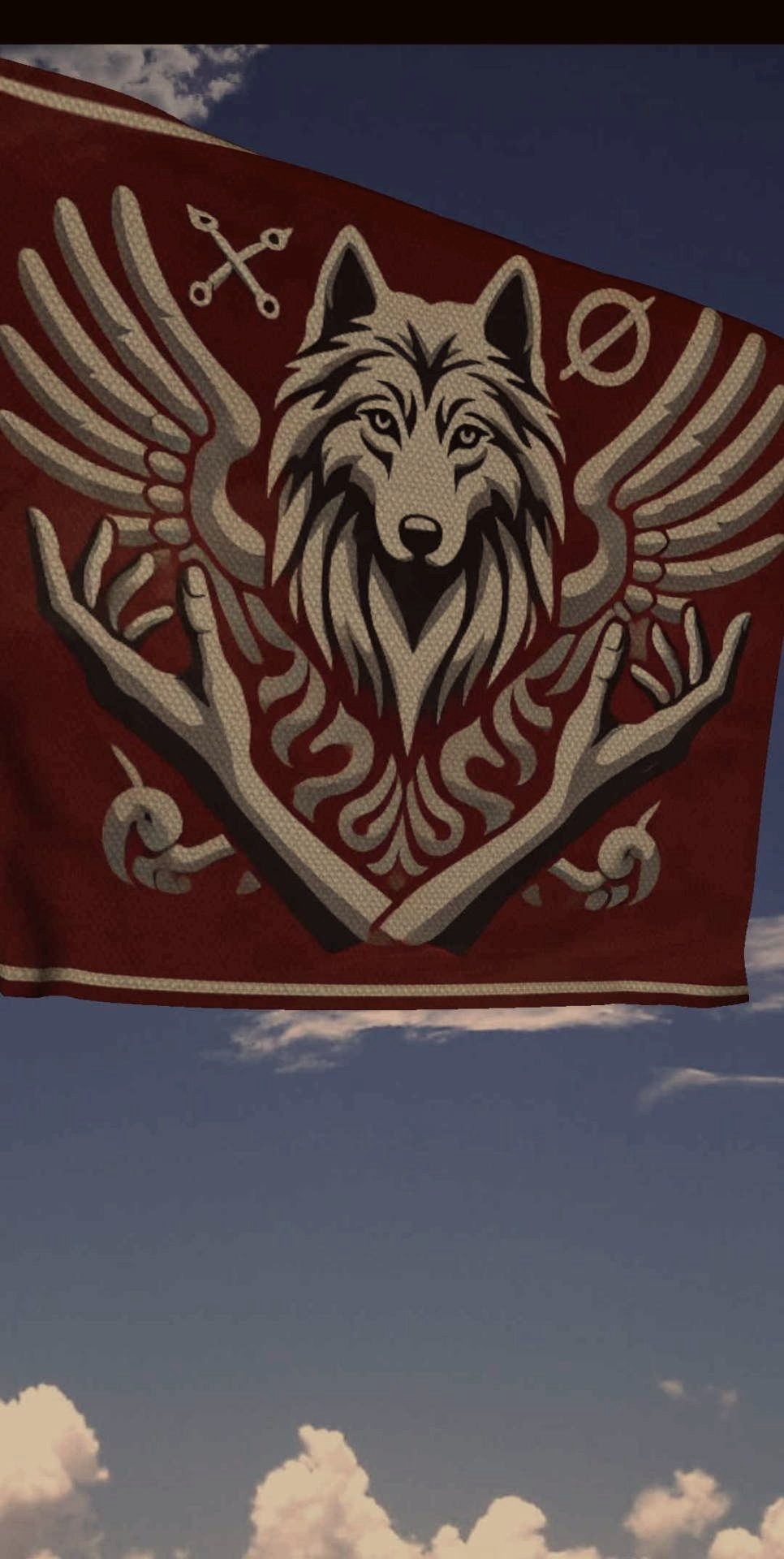
Éirighdún is a neutral island republic of clans, harbors, and Éterlumin deposits, whose neutrality survives because every major power owes it money and prefers commerce to conquest.

Governance & Culture

At a glance

Political Order
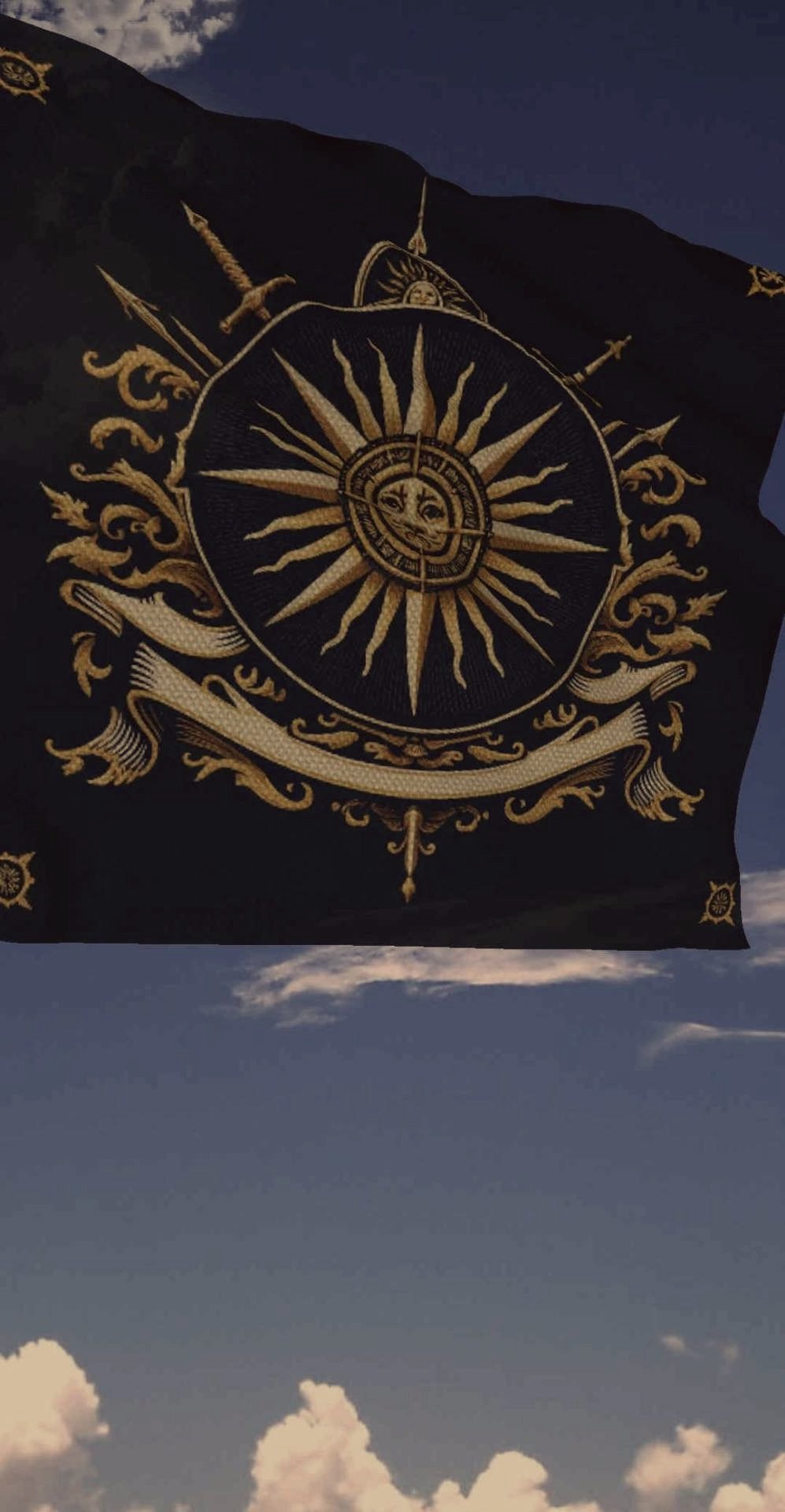
A fiercely independent republic of rugged highlands and storm-lashed coasts. Governed by an elected High Council of Clanns, it blends ancient tribal traditions with modern representative politics. A modest but highly disciplined defensive force and citizen militias ensure no foreign power can dictate its fate. Its independence is underwritten by a treaty with Luminore and Valdegracia, whose diplomatic guarantees and naval presence have deterred Albion's ambitions for decades.
Religion
The Solarian Church holds the majority, particularly in the southern and western counties, but the Luminary Fellowship is influential in trade towns and the coastal cities. The two faiths coexist uneasily, and politics often runs along religious lines.
Capital

Dúncairn

Nestled against the east sea cliffs, Dúncairn is a fortified harbor city renowned for its granite walls and watchtowers. It serves as both the political and military heart of the republic, its council chambers adorned with relics of the liberation wars.
Language

Éirdennach & Albionic

Éirdennach is a lyrical, consonant-rich tongue, spoken with pride in homes, markets, and assembly halls, and used ceremonially in the High Council's proclamations. Albionic is widely spoken alongside it, a legacy of the long entanglement with Albion.

Contested Territory

Muirthuaidh (Mur-hoo-ee)

At the end of the 42 Year War, Albion annexed the Muirthuaidh as part of the peace accord, despite its population being overwhelmingly Éirighdúnian in heritage. The region remains divided: its Solarian faithful agitate for unification with Éirighdún, while its Luminary Fellowship communities support continued union with Albion. Skirmishes, protests, and political unrest make the Marches the most volatile frontier in the western seas. The capital of the Marches is Béal na Móna.

The Island and Its Wealth

The island has something else. Beneath its western highlands lie significant deposits of Éterlumin, which have been worked, carefully and without advertisement, for longer than the republic's formal governing structure has existed. This resource is not the only reason other powers prefer to trade with Éirighdún rather than absorb it, but it is among the more persuasive ones. A neutral island with deep harbors and reliable credit is useful. A neutral island with deep harbors, reliable credit, and a working relationship with Éterlumin deposits is something that major powers have learned to leave intact. The republic is governed through a council of clan-linked trading families, the great houses whose internal politics are conducted with a ferocity that the republic's external neutrality carefully conceals. There is no hereditary monarch, no state church with coercive public authority, and no tradition of land conquest. What there is: harbors, ships, Éterlumin, credit, and the particular respectability that comes from being the nation whose neutrality everyone has reason to preserve, because everyone has debts there and no one wants to be the power that forced the island to choose a side.
History and Position

The republic's formal neutrality is three centuries old, but the island's habit of surviving between larger powers is considerably older. The clans of Éirighdún have been navigating the competing claims of continental powers since before any of those powers had their current form, offering harbors, provisioning fleets, and maintaining the careful non-alignment that allowed the island to remain itself while the continent reshuffled around it. What changed three centuries ago was the formalization of that habit into a governing principle. A generation of trading families, having watched their fathers' wealth destroyed by forced conscriptions into other nations' wars, convened what became the founding council and drew up a charter whose central provision was simple: Éirighdún does not take sides. It sells to both. The families that signed understood that this required two forms of enforcement: the domestic enforcement of preventing individual houses from breaking the rule for short-term advantage, and the external enforcement of persuading every major power that the existence of a reliably neutral commercial hub benefited them more than its absorption would. They managed both. Their descendants are still managing both. The exception, the thing that strains the republic's neutrality doctrine in ways that no amount of diplomatic skill fully resolves, is Clann na Soairaise. The territory of the Soairaise clan, in the island's northeastern reaches, is claimed by Albionis and administered in contested fashion, the republic asserting sovereign authority, Albionis maintaining a permanent military and administrative presence on grounds it has never fully articulated and has never agreed to vacate. The Soairaise themselves are divided, by history, by commercial interest, and by the particular bitterness that contested territories produce in people who have lived in them long enough to stop expecting resolution. The republic handles this situation through the same mechanism it handles everything: by making the cost of forcing a final answer higher than the benefit any power would gain from the answer.

Éirighdún in Mar de Oro

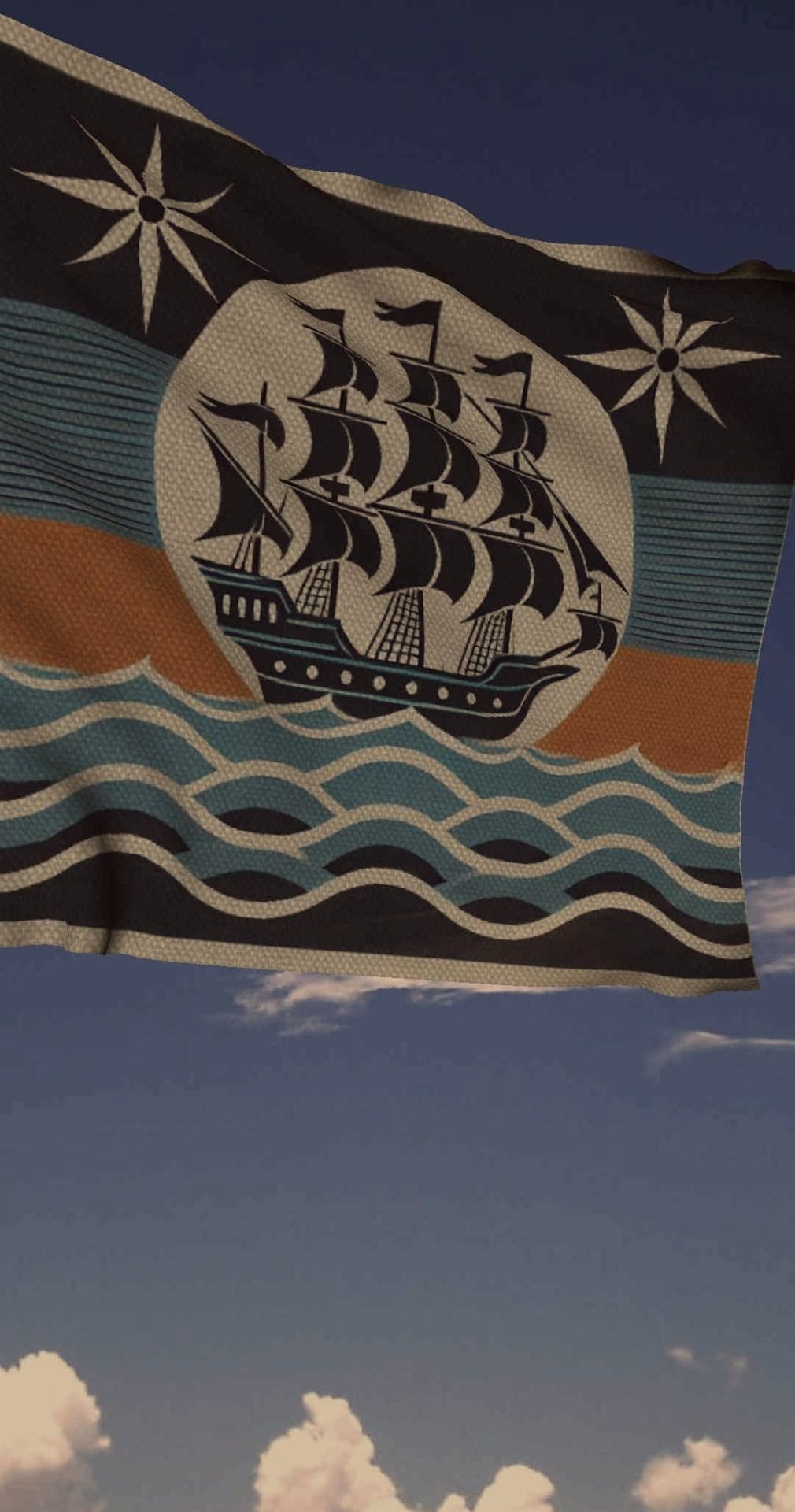
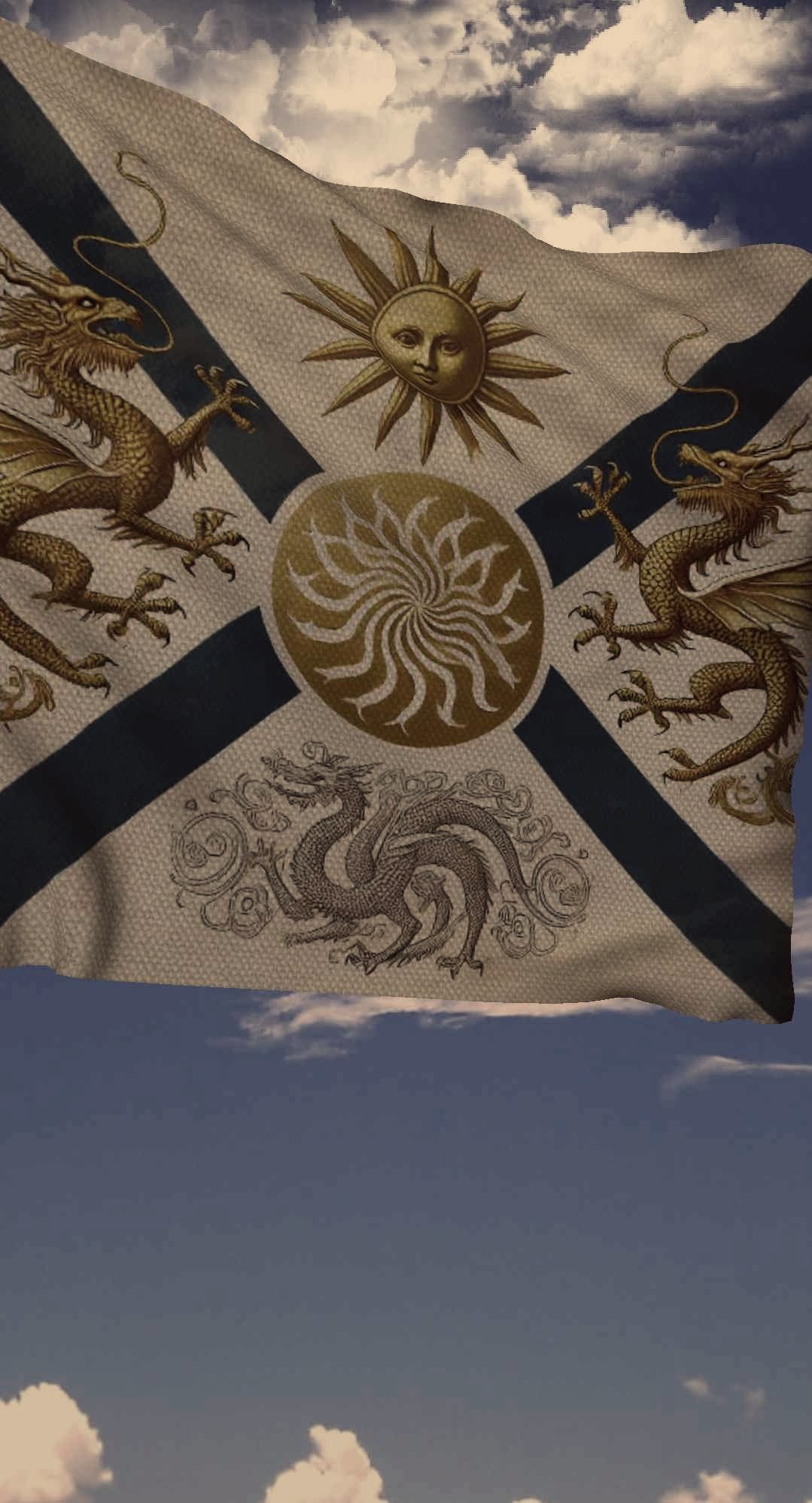
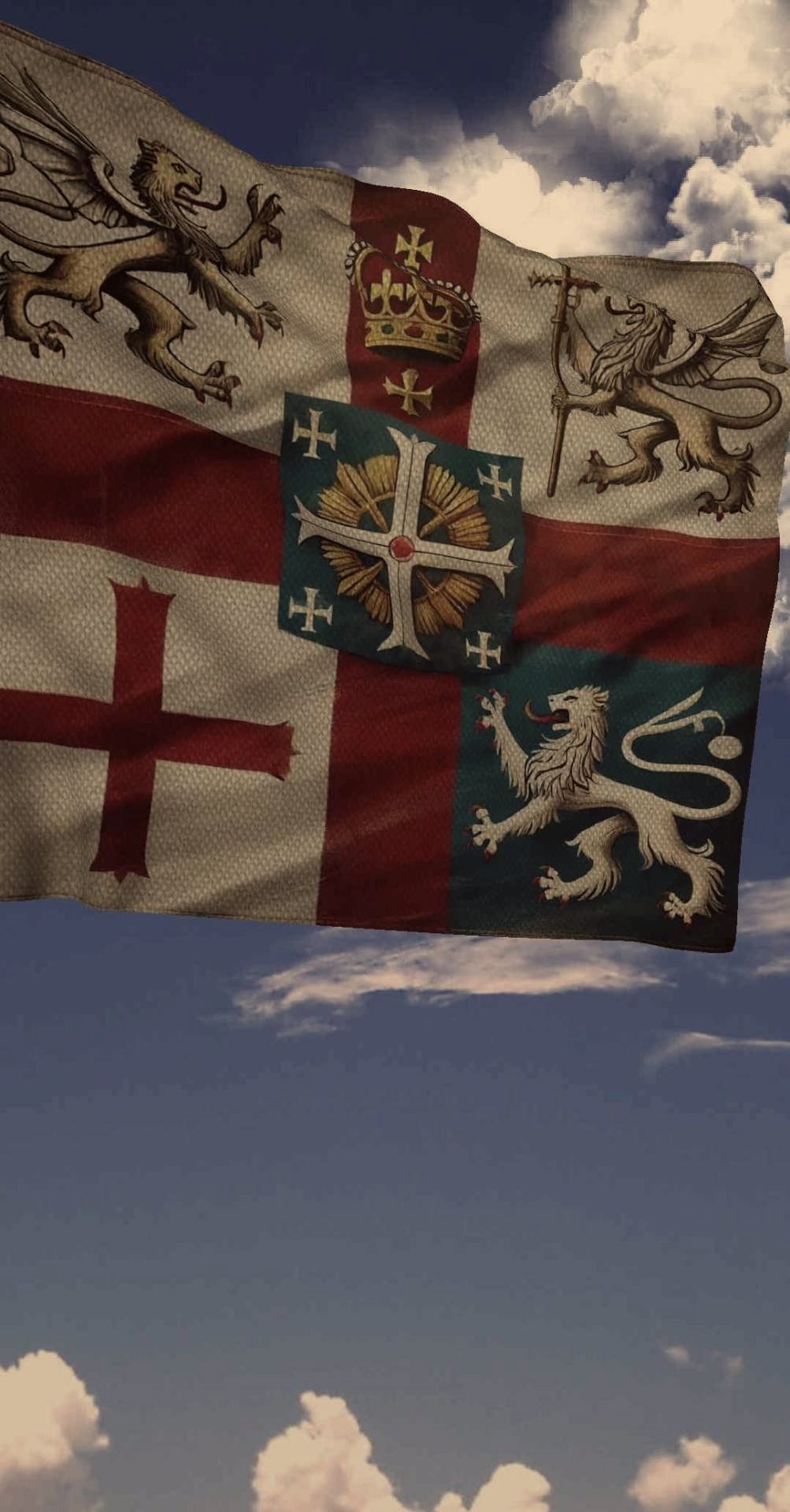
In the Golden Sea, Éirighdún appears as factors, ship brokers, insurers, and the occasional Éterlumin assessor whose presence in a particular harbor is never entirely accidental. The republic does not maintain colonies. It maintains relationships. There is an Éirighdúnari factor house in Boca Serena whose formal neutrality is recognized by every power operating in the archipelago, which means that documents lodged there are considered, by convention, protected from seizure under any flag. This convention is maintained by collective interest rather than treaty. Its practical effect is that the factor house serves as an informal clearing ground for commercial negotiations that the parties involved prefer not to be seen conducting directly. Éirighdúnari captains are widely regarded as among the most skilled navigators in the known world, having had three centuries of practice moving goods through contested waters without being boarded by either side. Their ships fly a flag whose neutrality is respected, when it is respected, entirely because the alternative has historically proven more expensive than the respect. The Éterlumin assessors who occasionally travel with Éirighdúnari trading missions are not formally acknowledged as such. They are listed on ship manifests as factors, scholars, or physicians. Everyone in Mar de Oro who deals with Éirighdúnari merchants at a certain level knows what this means. No one says it aloud.

What an Éirighdúnari Carries

The character formed in Éirighdún carries two things that exist in productive tension: the public flexibility of the republic's diplomatic tradition and the private ferocity of the clans that constitute it. To outsiders, an Éirighdúnari is adaptable, commercially acute, politically literate in the specific sense of knowing who owes what to whom and where the real pressure points lie, and apparently committed to nothing except the flow of commerce. This is accurate as far as it goes. What it misses is the clan underneath. Éirighdúnari loyalty, when it is given, is given completely and remembered permanently. The offense against a family member is an offense against the family. The debt owed to a house is a debt the house will collect, in its own time, at a moment of its choosing. They carry a relationship to the Éterlumin that most other peoples do not have. Growing up on an island where the deposits are worked and the assessors are real and the properties of the material are understood in practical terms rather than purely theological ones produces a character whose engagement with Éterlumin, if the topic arises, is noticeably more grounded than most. They do not mysticize it. They have seen it. They carry, too, a particular relationship to religious identity. Éirighdún maintains tolerance as a commercial and political necessity, and the result is a society where confessional affiliation is personal rather than civic. An Éirighdúnari character is unlikely to have been raised in a community where religion was a primary marker of social belonging, which means they often have a more detached relationship to confessional identity than characters from any of the great religious powers, not hostile, but observational. The exception is the Soairaise and their neighbors, where the contested territory's particular history has made confessional identity, for some families, a form of political position.

A concrete detail

One concrete detail: every Éirighdúnari factor house of any standing maintains what is called a cuimhne, a memory book, a bound volume in which every significant commercial relationship, every debt, every favor, every grievance, is recorded by hand in the factor's own writing. The cuimhne is not a legal document; it has no official standing in any court. It is a private record of what actually happened, who actually did what, and what was actually said, as distinct from what the contracts say and what the official correspondence records. Senior factors pass their cuimhne to their successors rather than to their heirs. The books accumulate. The oldest ones, preserved in the family archives of the great trading houses, go back seven generations, and contain, in their careful handwriting, the real history of commercial life in a world whose official version is considerably more flattering to everyone involved.