Skip to content
Mar de Oro
Nations of Aeon

A Power of Aeon

Luminore

The Civic Republic. The Solarian Conscience. The Nation That Decided Reason and Faith Were the Same Argument.

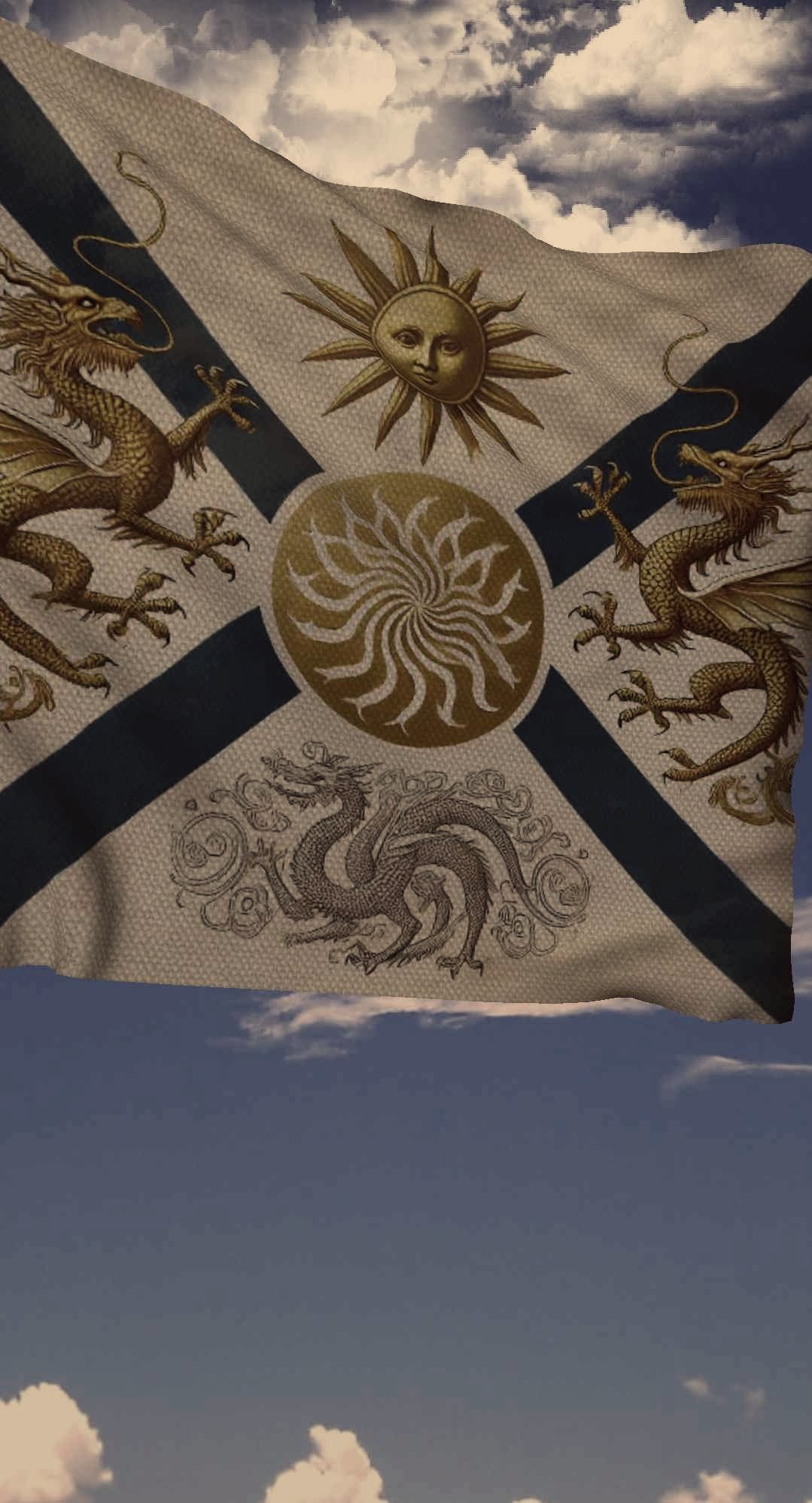
Luminore is a Solarian republic that believes faith and reason are the same argument, organized around the continent's oldest university, a protected press, and a civic tradition that treats every question as legitimate if it is examined with rigor.

Governance & Culture

At a glance

Political Order
Recently transitioned to a republic after deposing the monarchy in a peaceful revolution. Governed by an elected assembly, with a focus on civic rights and public representation.
Religion
Strongly associated with the Solarian Church, which remains influential in cultural and social affairs despite the political shift, though interpretations are much looser and somewhat resemble a toned-down version of the Luminary Fellowship.
Capital

Aurora Magnis

A city of innovation and culture, Aurora Magnis is celebrated for its art, education, and political discourse. Its name, meaning 'Great Dawn,' reflects its role as a beacon of the new republican ideals. The Grand Assembly Hall is a central landmark, symbolizing the republic's democratic values.
Language

Luminian

Luminian is characterized by its lyrical and expressive nature. It is widely used in arts, literature, and diplomacy, reflecting Luminore's rich cultural heritage and republican ideals.

The University and the Press

Luminore's university is the oldest continuously operating institution of secular learning on the continent, predating the republic's current constitutional form by nearly a century. It produces scholars of natural philosophy, law, medicine, theology, and what the faculty call the rational arts, the study of logic, rhetoric, and the formal structures of argument, which are taught at Luminore as foundational skills applicable to any domain including religious inquiry. The university is Solarian in its constitution, its chapel, and the formal confessional requirements for its senior faculty. It is Luminoran in everything else, which is to say that it treats the honest examination of any question as a legitimate and even sacred activity, provided the examination is conducted with rigor. Mechanical printing arrived in Luminore roughly seventy years before the present day. The city's leadership made a deliberate decision to protect printers and the arguments they printed, understanding that becoming the acknowledged center of the continent's intellectual life would bring scholars, students, revenue, and a form of civic prestige that no military campaign could purchase. They were correct. The university expanded. A supporting civilization of booksellers, bookbinders, paper merchants, and legal scholars arose around it. Luminore became and has remained the most intellectually productive city in the known world by most reasonable measures.

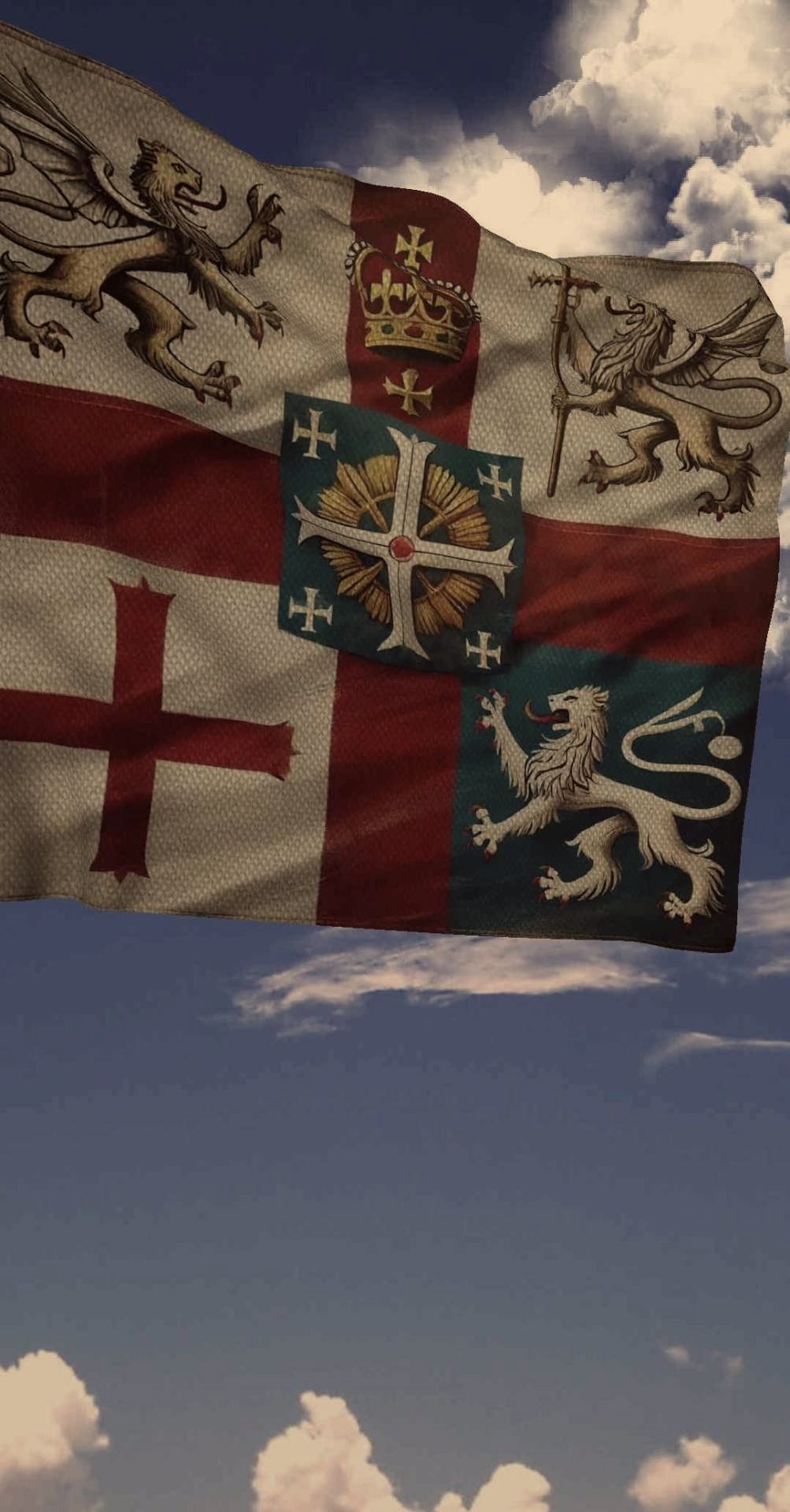
Luminore in Mar de Oro

In the Golden Sea, Luminore appears as scholars, physicians, jurists, and the occasional diplomat whose confessional credentials are impeccable and whose methods of reasoning are distinctly, recognizably Luminoran. The republic does not maintain colonies; it maintains relationships, intellectual ones primarily, with the educated classes of every colonial establishment regardless of which power administers them. A Luminoran-educated physician treats patients of every confession and national origin without distinction. A Luminoran jurist consulted on a commercial dispute will apply the same analytical method to a case involving a Valdegracian grandee and a Hellerite dockworker. This universalism is not naivety. It is a considered position, and it is the reason Luminoran expertise is sought by parties who have no other reason to agree on anything.

What a Luminoran Carries

The character formed in Luminore carries the deep civic conviction that the republic is a real thing, that its institutions have genuine authority, that the rights and obligations of citizenship are not merely procedural but morally substantial. This is not abstract for Luminorans. It shapes how they enter rooms, how they address strangers, how they respond to demands for deference from people whose only claim is rank. They are respectful of genuine authority and quietly, firmly resistant to authority that cannot give an account of itself. They carry a print culture, a habitual relationship with books, records, and the written argument, an instinct to verify, to document, to establish what was actually said before proceeding to what should be done about it. They carry a Solarian faith that is genuine but civic in its expression, practiced through public feast days, community observance, and the quiet conviction that the Architect's design and the republic's design are both expressions of a rational order that honest minds can read.

A concrete detail

One concrete detail: the great hall of Luminore's university, the Aula Principalis, has carved into its interior frieze, in letters large enough to read from the floor below, a sentence in archaic Solarian that translates roughly as: The argument that cannot withstand examination was not an argument; it was a wish. No one is entirely certain when the carving was added or by whose authority. The faculty treat its presence as self-explanatory. The university's Solarian chaplain has, on at least two recorded occasions, cited it in his sermons. The Holy See has never officially commented on it. This is generally taken as the correct response.